Date: Feb 11 2026
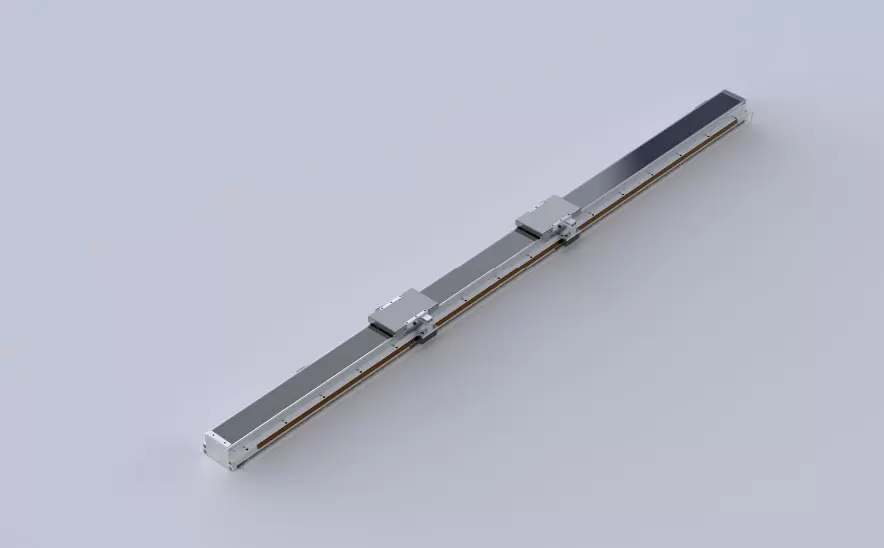
Investing in a precision positioning slide table is a significant decision for any industry that requires high accuracy and reliability in positioning, whether for robotics, optical systems, semiconductor manufacturing, or automated machinery. A precision slide table helps ensure that components are moved with the exact precision necessary for optimal performance. However, choosing the wrong one can lead to wasted resources, downtime, and compromised system performance.
Before making your purchase, it’s crucial to understand several key factors that will influence your decision. In this article, we’ll walk you through the most important considerations you need to keep in mind before investing in a precision positioning slide table.
The first step in selecting the right slide table is to clearly define the specific requirements of your application. The precision, load capacity, speed, and range of motion needed will all depend on what the table is being used for.
Precision and Repeatability: If your application demands micron-level precision or even sub-micron accuracy (for example, in optical testing or semiconductor manufacturing), you need a slide table with extremely tight tolerances and repeatability. On the other hand, if your task involves less demanding positioning, such as simple material handling or assembly, less precision may be sufficient.
Load Capacity: Consider the weight of the components that will be moved or positioned. Will your slide table be holding or moving lightweight components, or will it need to support heavier loads, like robotic arms or heavy machinery parts?
Speed and Travel Range: Some applications require fast movements and long travel distances, while others need slow, controlled movements for delicate tasks.
What to do: Write down the precise needs of your operation—whether that’s fast, repeated movements, or high-precision, low-speed positioning. This will serve as your foundation for evaluating slide tables.
Precision positioning slide tables come in different types, each suited to specific types of movement. The type you choose will depend largely on the type of motion required for your application.
Linear Slide Tables: Provide movement along a single axis, making them perfect for tasks that require linear displacement, such as CNC machining or assembly lines.
Rotary Slide Tables: If you need rotational movement, rotary tables provide precision in turning or positioning components around a fixed axis. These are great for indexing applications or rotating systems.
XY Tables: Combining two linear axes, XY tables are ideal when both horizontal and vertical positioning is required simultaneously. They’re often used in robotic pick-and-place systems or laser cutting equipment.
Z-Axis Tables: These provide vertical movement and are often paired with XY tables to offer full 3D movement, essential in microscopy, robotic arms, or 3D printing applications.
What to do: Evaluate the type of motion required. If your application only requires linear motion, a linear slide table is sufficient, but if you need more complex positioning, an XY or Z-axis table might be necessary.
One of the most important decisions when selecting a slide table is whether to choose a manual or motorized system. Both have their advantages and disadvantages, depending on your application.
Manual Actuation: These slide tables are often simpler, less expensive, and suitable for low-volume applications or situations where human operators are involved. They’re ideal for non-automated processes or where movement only needs to be adjusted periodically.
Motorized Actuation: Motorized slide tables are more suitable for applications requiring high-speed movement, precise control, or integration with automated systems. They offer programmable movement, ensuring high repeatability and reducing human error. Motorized systems can be powered by stepper motors, servo motors, or DC motors depending on your application’s needs.
What to do: If you require automated control or precise, repeated movements, a motorized slide table is likely the better choice. If the movements are less frequent or less complex, a manual system may suffice.
The operating environment can significantly impact the performance and longevity of your precision slide table. If your application involves harsh conditions—such as dust, moisture, extreme temperatures, or chemical exposure—it’s essential to choose a slide table designed for such environments.
Cleanroom Environments: If you’re working in a cleanroom or a controlled environment, ensure the table is made from materials that are non-contaminating and have sealed components to prevent dust or debris buildup.
Corrosive Environments: For environments where chemicals or moisture are present, you should opt for slide tables made of stainless steel or other corrosion-resistant materials to extend the table’s life.
Temperature Extremes: If your table will be exposed to high or low temperatures, look for high-performance bearings and materials that can withstand the conditions without losing their accuracy or functionality.
怎麼做:評估滑台運作的環境條件,並選擇一款能夠承受這些挑戰的滑台。如有必要,請尋找帶有密封軸承或 IP 等級外殼的型號,以防塵防潮。
與任何工業設備一樣,精密定位滑台需要適當的維護,以確保使用壽命和最佳性能。如果您必須花費大量時間和金錢進行維修和保養,則擁有成本可能會顯著增加。
密封系統:尋找帶有密封軸承和自潤滑部件的工作台,以減少頻繁維護的需要。
材質:不銹鋼、陽極氧化鋁等優質材料更耐用、耐磨、耐腐蝕,確保更長的使用壽命。
潤滑:某些型號配備自動潤滑系統,可最大限度地減少停機時間和維護工作,而其他型號可能需要手動潤滑。
怎麼做:檢查製造商建議的維護計劃,並選擇以可靠性和耐用性著稱的滑台。如果您沒有資源進行頻繁維護,請選擇低維護設計。
在許多情況下,您的精密滑台將成為大型自動化系統的一部分,例如機械手臂、視覺系統或CNC工具機。與其他設備無縫整合的能力是關鍵的考慮因素。
控制系統:確保滑台與您現有的控制系統相容,無論它們是基於 PLC 還是 PC。
通訊協定:許多電動工作台使用乙太網路、Modbus 或 RS-232 等通訊協定來與其他系統整合。確保該表可以與您的自動化設定進行通訊。
怎麼做:檢查滑台的介面選項並確保它可以輕鬆地與您的其他裝置整合。驗證它是否支援您的自動化平台並且可以輕鬆編程以實現同步運動。
雖然選擇最便宜的選項很誘人,但考慮總擁有成本 (TCO) 也很重要。初始價格只是等式的一部分;您還需要考慮維護、營運成本以及由於系統性能不佳而導致的潛在停機時間。
前期成本:考慮初始購買價格,該價格會根據驅動類型、材料和精度等功能而有所不同。
持續成本:考慮一下在滑台的使用壽命期間您將花費多少費用用於維護、潤滑和更換零件。
能源效率:一些機動系統比其他系統消耗更多的電力,因此如果您的系統連續運行,請考慮能源消耗。
怎麼做:考慮所有潛在成本,包括維護、停機時間和能源使用。在許多情況下,從長遠來看,多花一點錢購買品質更高、維護成本低的滑台會節省金錢。
投資精密定位滑台是一項關鍵決策,可能會對您的營運績效和效率產生重大影響。透過仔細考慮應用需求、運動類型、驅動機制、環境條件和整體維護需求,您可以選擇適合您需求的系統。
花時間評估您的需求並選擇最佳的滑台將確保您的系統高效、準確地運行,幫助您實現對機器人、自動化、機械加工和其他高精度行業的成功至關重要的精度和可重複性。